

Essential Pathology Tests During Pregnancy You Should Know
- smartleadsads
- May 14
- 4 min read
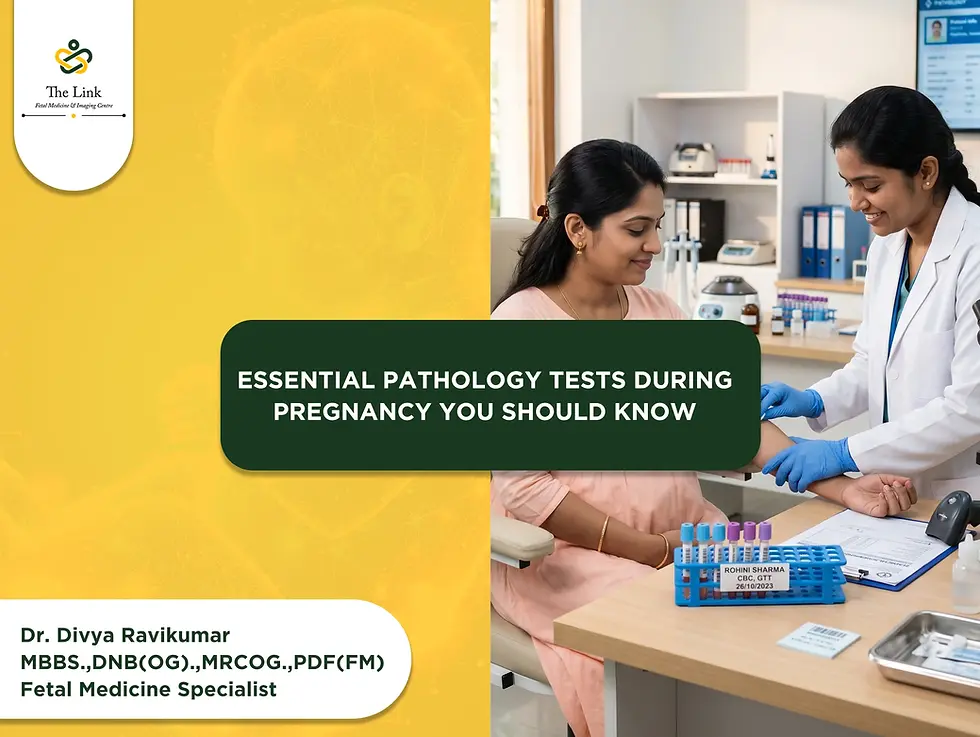
Pregnancy involves regular medical check-ups and several laboratory investigations to ensure the health of both mother and baby. Among these, pathology tests in pregnancy play a crucial role in identifying infections, nutritional deficiencies, hormonal imbalances, and medical conditions that could affect pregnancy outcomes.
These tests help doctors monitor maternal health, detect complications early, and provide timely treatment when necessary. Understanding the essential pathology tests during pregnancy can help expecting mothers stay informed and prepared throughout their prenatal journey.
What Are Pathology Tests in Pregnancy?
Pathology tests are laboratory investigations performed on blood, urine, or other body samples to evaluate a pregnant woman’s overall health. These tests help identify:
Anemia
Gestational diabetes
Infections
Blood group compatibility
Hormonal and thyroid disorders
Nutritional deficiencies
They are a routine part of prenatal care and are usually performed during different stages of pregnancy.
Why Are Pathology Tests Important During Pregnancy?
The importance of pathology tests in pregnancy includes:
Detecting medical conditions early
Monitoring maternal and fetal health
Preventing pregnancy complications
Ensuring safe delivery
Guiding appropriate treatment and nutrition
Early diagnosis through pathology testing can significantly improve outcomes for both mother and baby.
Essential Pathology Tests During Pregnancy
1. Complete Blood Count (CBC)
A CBC is one of the most common blood tests during pregnancy.
What Does It Check?
Hemoglobin levels
Red and white blood cell count
Platelet count
Why Is It Important?
This test helps detect:
Anemia
Infections
Blood disorders
Anemia is common during pregnancy and can affect oxygen supply to the baby if untreated.
2. Blood Group and Rh Factor Testing
This test determines the mother’s blood type and Rh compatibility.
Why Is It Important?
If the mother is Rh-negative and the baby is Rh-positive, complications can occur without proper treatment.
Doctors may recommend Rh immunoglobulin injections to prevent complications.
3. Blood Sugar Testing (Glucose Screening)
Pregnant women are routinely screened for gestational diabetes.
Common Tests Include:
Glucose Challenge Test (GCT)
Oral Glucose Tolerance Test (OGTT)
Why Is It Important?
Gestational diabetes can increase the risk of:
Large baby size
Premature delivery
High blood pressure
Early detection helps manage blood sugar levels effectively.
4. Thyroid Function Tests
Thyroid hormones play a major role in fetal brain development.
What Does It Check?
TSH (Thyroid Stimulating Hormone)
T3 and T4 hormone levels
Why Is It Important?
Untreated thyroid disorders can lead to:
Miscarriage
Preterm birth
Developmental issues in the baby
5. Urine Routine and Culture Test
Urine tests are commonly performed throughout pregnancy.
What Does It Detect?
Urinary tract infections (UTIs)
Protein in urine
Sugar levels
Kidney issues
Why Is It Important?
Untreated infections can increase the risk of preterm labor and other complications.
6. Infection Screening Tests
Several pathology tests screen for infections that may affect pregnancy.
Common Infection Tests:
HIV
Hepatitis B and C
Syphilis
Rubella immunity
Why Is It Important?
Early treatment helps prevent transmission to the baby and ensures safer pregnancy outcomes.
7. Prenatal Genetic Screening Tests
These blood tests assess the risk of genetic or chromosomal abnormalities.
Common Tests Include:
Dual marker test
Triple marker test
Quadruple marker test
NIPT (Non-Invasive Prenatal Testing)
Why Is It Important?
These tests help evaluate the risk of conditions like Down syndrome.
8. Vitamin and Nutritional Deficiency Tests
Doctors may also check:
Vitamin D levels
Vitamin B12
Iron and ferritin levels
Why Is It Important?
Proper nutrition supports fetal growth and maternal health.
When Are Pathology Tests Done During Pregnancy?
Pathology tests are scheduled across different trimesters:
First Trimester
Blood group
CBC
Thyroid test
Infection screening
Second Trimester
Glucose screening
Genetic screening tests
Third Trimester
Repeat CBC
Urine tests
Group B Streptococcus screening
Additional tests may be recommended based on individual health conditions.
ARE Pathology Tests Safe During Pregnancy?
Yes, pathology tests are completely safe during pregnancy. Most involve routine blood or urine sample collection and are essential for prenatal monitoring.
Conclusion
Understanding the importance of pathology tests in pregnancy helps expecting mothers stay proactive about their health and their baby’s development. From detecting anemia and infections to monitoring blood sugar and genetic risks, these tests provide valuable information that supports a healthy pregnancy.
Regular prenatal check-ups and timely pathology testing allow doctors to identify complications early and ensure the best possible care for both mother and baby.
FAQs
1. Why are pathology tests important during pregnancy?
Pathology tests help monitor maternal health, detect complications early, and ensure healthy fetal development.
2. What is the most important blood test during pregnancy?
Several tests are important, including CBC, blood sugar testing, thyroid function tests, and infection screening.
3. How often are pathology tests done during pregnancy?
Some tests are done once, while others may be repeated during different trimesters depending on the pregnancy condition.
4. Are pregnancy pathology tests safe?
Yes, routine blood and urine tests are safe and essential for prenatal care.
5. Can pathology tests detect pregnancy complications early?
Yes, many conditions such as gestational diabetes, anemia, infections, and thyroid disorders can be identified early through pathology testing.
References


Comments