

Fetal Echo vs Routine Pregnancy Scan: When Is Each Needed?
- smartleadsads
- 4 days ago
- 4 min read
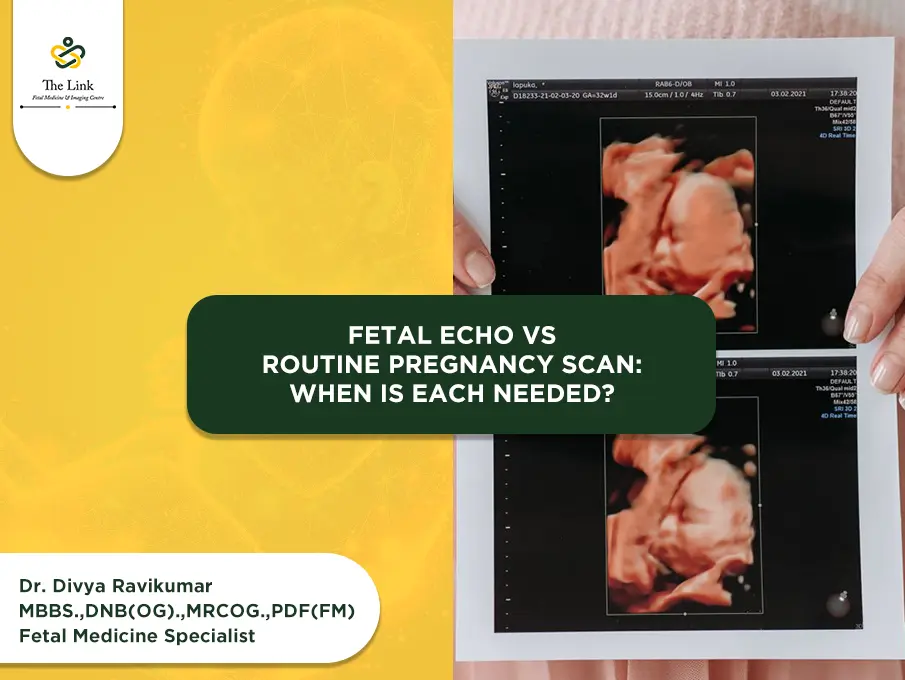
Pregnancy involves several important ultrasound examinations that help monitor your baby’s growth and development. Among the most commonly performed prenatal imaging tests are the routine pregnancy scan and the fetal echocardiogram (Fetal Echo). While both use ultrasound technology, they serve different purposes and provide different types of information.
Many expecting parents wonder about the difference between Fetal Echo vs Routine Pregnancy Scan and whether both tests are necessary. Understanding when each scan is recommended can help you make informed decisions about prenatal care and your baby’s health.
In this guide, we compare fetal echo and routine pregnancy scans, explain their benefits, and discuss when your doctor may recommend them.
What Is a Routine Pregnancy Scan?
A routine pregnancy scan is a standard ultrasound examination performed at various stages of pregnancy to assess the baby’s overall growth and development.
These scans help healthcare providers evaluate:
Fetal growth and measurements
Gestational age
Placental position
Amniotic fluid levels
Fetal movement
Major anatomical structures
Multiple pregnancies
Routine pregnancy scans are an essential part of prenatal care and are recommended for all pregnant women.
Common Types of Routine Pregnancy Scans
Early Pregnancy Scan (6–10 Weeks)
This scan confirms:
Pregnancy location
Fetal heartbeat
Number of fetuses
Estimated due date
NT Scan (11–14 Weeks)
The Nuchal Translucency (NT) scan assesses the risk of chromosomal abnormalities and evaluates early fetal anatomy.
Anomaly Scan (18–22 Weeks)
This detailed scan examines:
Brain
Spine
Face
Kidneys
Limbs
Heart structure
Other fetal organs
The anomaly scan is one of the most important routine pregnancy scans.
Growth Scan (Third Trimester)
Growth scans monitor fetal growth, amniotic fluid levels, and placental function later in pregnancy.
What Is a Fetal Echo?
A Fetal Echocardiogram (Fetal Echo) is a specialized ultrasound examination that focuses exclusively on the baby's heart.
Unlike a routine pregnancy scan, which evaluates the entire fetus, fetal echo provides a detailed assessment of:
Heart chambers
Heart valves
Blood vessels
Blood flow patterns
Heart rhythm
Congenital heart defects
A fetal echo is usually performed by a fetal medicine specialist or pediatric cardiologist with expertise in fetal cardiac imaging.
When Is a Fetal Echo Performed?
A fetal echocardiogram is typically conducted between 18 and 24 weeks of pregnancy, when the fetal heart structures can be visualized clearly.
Fetal Echo vs Routine Pregnancy Scan: Quick Comparison
Feature | Routine Pregnancy Scan | Fetal Echo |
Purpose | Overall fetal assessment | Detailed heart evaluation |
Organs Examined | Entire fetus | Heart only |
Recommended For | All pregnancies | Selected pregnancies |
Timing | Throughout pregnancy | Usually 18–24 weeks |
Detects Heart Defects | Some major defects | Detailed cardiac abnormalities |
Performed By | Sonologist/Fetal Medicine Specialist | Fetal Cardiology Expert or Fetal Medicine Specialist |
Duration | 20–45 minutes | 30–60 minutes |
Diagnostic Focus | General fetal health | Fetal cardiac structure and function |
Routine scans provide critical information about your baby’s development and help identify potential complications early.
Benefits Include:
Monitoring fetal growth
Detecting structural abnormalities
Confirming gestational age
Assessing placental health
Evaluating amniotic fluid levels
Supporting pregnancy management decisions
Every pregnancy benefits from routine ultrasound assessments.
Why Is a Fetal Echo Important?
Congenital heart defects are among the most common birth abnormalities. A fetal echocardiogram can identify many heart conditions before birth, allowing doctors and families to prepare appropriate treatment plans.
Benefits of Fetal Echo Include:
Early diagnosis of heart defects
Improved delivery planning
Access to specialized neonatal care
Better pregnancy management
Timely referral to pediatric cardiology specialists
Early detection often improves outcomes for babies with congenital heart disease.
When Is a Fetal Echo Recommended?
Unlike routine pregnancy scans, fetal echo is not required for every pregnancy.
Your doctor may recommend a fetal echocardiogram if there are specific risk factors.
1. Abnormal Findings on Anomaly Scan
If a routine ultrasound suggests a possible heart abnormality, fetal echo provides a more detailed evaluation.
2. Family History of Congenital Heart Disease
If parents or siblings have congenital heart defects, fetal echo may be advised.
3. Maternal Medical Conditions
Certain conditions increase the risk of fetal heart abnormalities, including:
Pre-existing diabetes
Autoimmune disorders
Certain infections during pregnancy
4. Abnormal Genetic Testing Results
Chromosomal abnormalities identified through screening or diagnostic testing may be associated with heart defects.
5. IVF Pregnancies
Some specialists recommend fetal echo for pregnancies conceived through assisted reproductive technologies.
6. Increased NT Measurement
An enlarged nuchal translucency measurement may indicate a higher risk of cardiac abnormalities.
Can a Routine Pregnancy Scan Detect Heart Problems?
Yes, an anomaly scan can identify many major heart defects. However, it is not specifically designed to assess every aspect of the fetal heart.
A fetal echocardiogram offers:
Higher-resolution cardiac assessment
Detailed blood flow analysis
Better visualization of complex heart structures
For this reason, fetal echo is considered the gold standard when a detailed heart evaluation is required.
Do You Need Both Scans?
In many cases, yes.
A routine pregnancy scan evaluates the baby's overall anatomy and development, while fetal echo provides a specialized assessment of the heart when indicated.
These tests complement each other rather than replace one another.
Your healthcare provider will recommend the appropriate scans based on your pregnancy history, risk factors, and ultrasound findings.
Conclusion
When comparing Fetal Echo vs Routine Pregnancy Scan, it is important to understand that each serves a unique role in prenatal care. Routine pregnancy scans are essential for monitoring overall fetal growth and development and are recommended for all pregnancies. Fetal echocardiography, on the other hand, is a specialized examination focused on the baby's heart and is recommended when specific risk factors or concerns are present.
By following your doctor's recommendations and undergoing the appropriate prenatal assessments, you can gain valuable information about your baby's health and ensure the best possible care throughout pregnancy.
FAQs
1. Is a fetal echo the same as an anomaly scan?
No. An anomaly scan evaluates the entire fetus, while a fetal echo focuses specifically on the baby's heart.
2. Does every pregnant woman need a fetal echo?
No. Fetal echo is usually recommended only when specific risk factors or abnormal scan findings are present.
3. When is the best time for a fetal echocardiogram?
Most fetal echocardiograms are performed between 18 and 24 weeks of pregnancy.
4. Can a routine pregnancy scan detect heart defects?
Yes, many major heart defects can be identified during an anomaly scan, but fetal echo provides a more detailed evaluation of cardiac structures and function.
5. Is fetal echocardiography safe during pregnancy?
Yes. Fetal echo uses ultrasound technology and is considered safe for both mother and baby.
Reference Links


Comments