

What Is an Anomaly Scan and Why Is It Important?
- smartleadsads
- Jun 11
- 4 min read
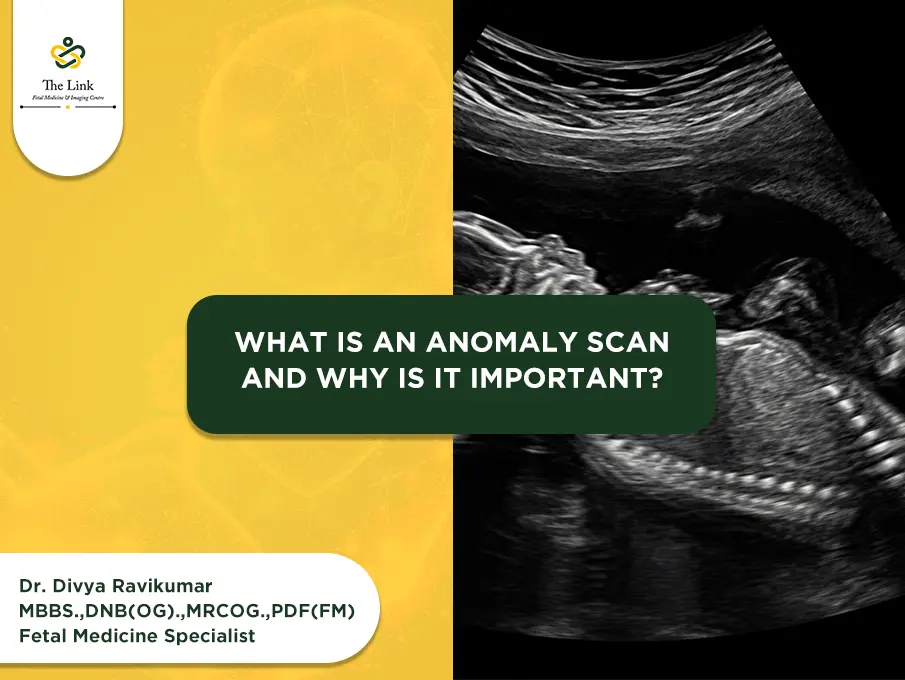
If you're pregnant, one of the most important milestones in your prenatal care journey is the anomaly scan. Often referred to as the mid-pregnancy scan or Level 2 ultrasound, this detailed examination helps assess your baby's growth and development. For expecting parents looking for an anomaly scan in Chennai, understanding the purpose and benefits of this scan can help reduce anxiety and ensure timely prenatal care.
An anomaly scan is typically performed between 18 and 22 weeks of pregnancy and plays a crucial role in detecting structural abnormalities, evaluating fetal growth, and providing reassurance about your baby's health.
What Is an Anomaly Scan?
An anomaly scan is a detailed ultrasound examination performed during the second trimester of pregnancy. Unlike routine scans that primarily check growth and heartbeat, an anomaly scan carefully examines the baby's organs and body structures.
The scan assesses:
Brain development
Spine and spinal cord
Heart structure and function
Kidneys and bladder
Stomach and abdominal wall
Face and lips
Arms, legs, hands, and feet
Placenta location
Amniotic fluid levels
The primary goal is to identify any major structural abnormalities and evaluate whether the baby is developing as expected.
When Is an Anomaly Scan Done?
The ideal time for an anomaly scan is between 18 and 22 weeks of pregnancy.
At this stage:
The baby's organs are sufficiently developed for detailed evaluation.
Fetal structures can be visualized clearly.
If any concerns are identified, there is adequate time for further testing and pregnancy management.
Most fetal medicine specialists recommend scheduling the scan around 20 weeks for optimal imaging.
Why Is an Anomaly Scan Important?
1. Detects Structural Abnormalities Early
One of the main reasons an anomaly scan is important is its ability to identify major congenital abnormalities.
Conditions that may be detected include:
Neural tube defects
Congenital heart defects
Cleft lip and palate
Kidney abnormalities
Limb abnormalities
Abdominal wall defects
Early diagnosis allows parents and healthcare providers to plan appropriate care.
2. Assesses Fetal Growth and Development
The scan measures different parts of the baby's body to ensure growth is progressing normally.
Common measurements include:
Head circumference
Abdominal circumference
Femur length
These measurements help determine whether the baby is growing according to gestational age.
3. Evaluates Placenta and Amniotic Fluid
An anomaly scan also checks:
Placental position
Placental health
Amniotic fluid volume
Abnormal findings may indicate the need for closer monitoring during pregnancy.
4. Supports High-Risk Pregnancy Management
For women with:
Diabetes
Hypertension
Previous pregnancy complications
Multiple pregnancies
An anomaly scan provides valuable information for ongoing pregnancy management and fetal monitoring.
5. Provides Reassurance to Parents
For many expecting parents, the anomaly scan is an opportunity to receive reassurance that their baby is developing well.
While no scan can guarantee the absence of all conditions, a normal anomaly scan significantly reduces the likelihood of major structural abnormalities.
What Happens During an Anomaly Scan?
The procedure is similar to a routine ultrasound.
During the Scan:
Gel is applied to the abdomen.
A transducer is moved over the skin.
Detailed images of the baby appear on the screen.
Measurements and observations are recorded.
The examination usually takes between 30 and 60 minutes, depending on the baby's position and the complexity of the assessment.
Is an Anomaly Scan Safe?
Yes. An anomaly scan is considered safe during pregnancy when performed by qualified professionals.
The scan uses high-frequency sound waves rather than radiation, making it a safe and non-invasive method for evaluating fetal development.
Major healthcare organizations worldwide support the use of ultrasound as an essential component of prenatal care.
Choosing the Right Centre for an Anomaly Scan in Chennai
When looking for an anomaly scan in Chennai, consider the following:
Experienced fetal medicine specialists
Advanced ultrasound equipment
Dedicated fetal medicine services
Detailed reporting and counselling
Support for high-risk pregnancies
A specialized fetal medicine centre can provide accurate diagnosis, expert interpretation, and comprehensive guidance throughout your pregnancy.
When Should You Consult a Fetal Medicine Specialist?
You may be referred to a fetal medicine specialist if:
The anomaly scan shows unusual findings
You have a high-risk pregnancy
Previous screening tests indicate increased risk
There is a family history of genetic conditions
Additional fetal evaluation is required
Early consultation can help ensure timely diagnosis and appropriate management.
Conclusion
An anomaly scan is one of the most important ultrasound examinations during pregnancy. It provides a detailed assessment of your baby's anatomy, helps detect structural abnormalities, and supports informed decision-making throughout pregnancy.
For families seeking an anomaly scan in Chennai, choosing a centre with experienced fetal medicine specialists and advanced imaging technology can make a significant difference in the quality of prenatal care. Timely screening, expert evaluation, and proper follow-up can help ensure the best possible outcomes for both mother and baby.
FAQs
1. What is the purpose of an anomaly scan?
An anomaly scan evaluates the baby's organs and body structures to detect major congenital abnormalities and assess overall development.
2. When should an anomaly scan be performed?
It is usually performed between 18 and 22 weeks of pregnancy, with around 20 weeks being the most common time.
3. Can an anomaly scan detect all birth defects?
No. While it can identify many major structural abnormalities, some conditions may not be visible on ultrasound.
4. Is an anomaly scan painful?
No. The procedure is non-invasive, painless, and generally takes 30–60 minutes.
5. Do I need special preparation before the scan?
Most centres provide instructions beforehand. In some cases, a moderately full bladder may be recommended, but requirements vary.
Reference Links


Comments